Lebkuchen: Nuernberger and Elisen Are Not the Same Word
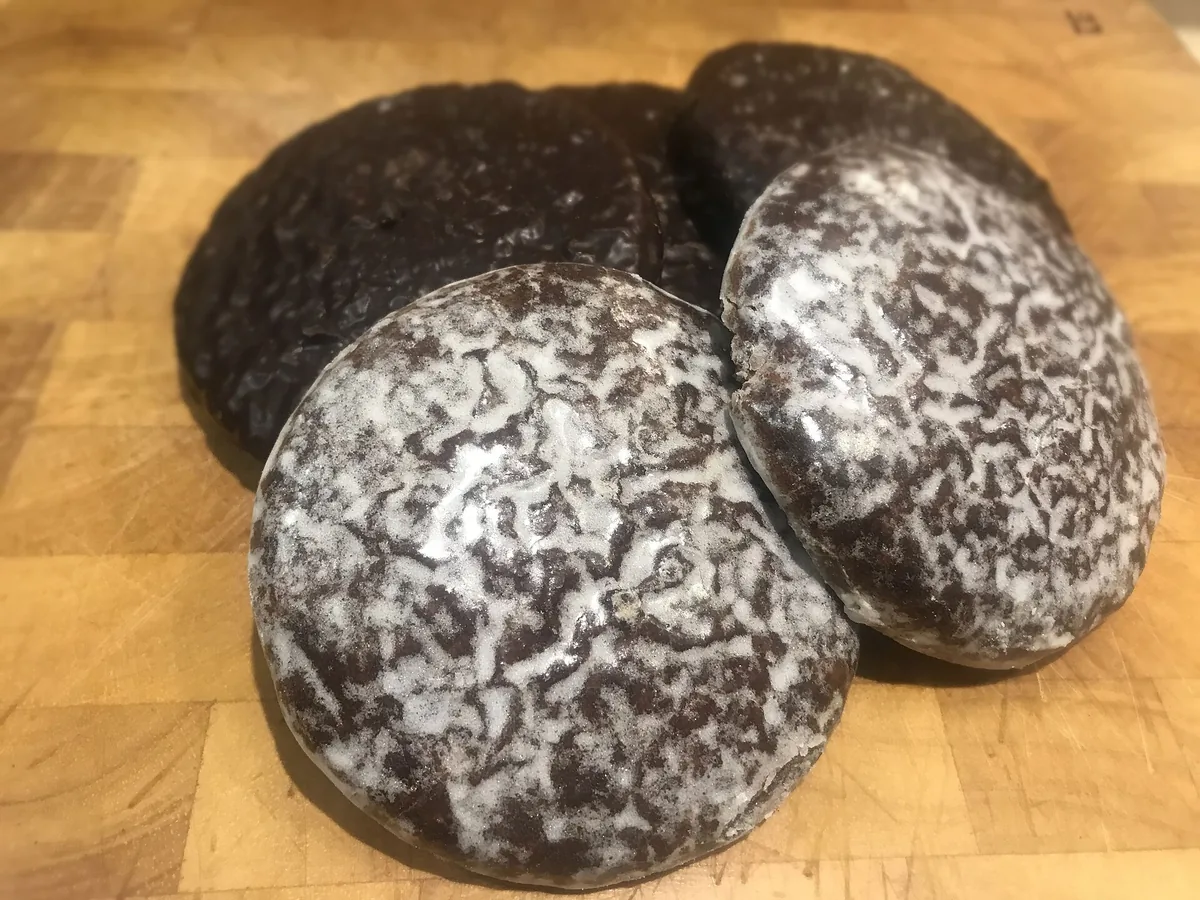
The two words, separated
This is the whole page, and it takes one table.
| Nuernberger Lebkuchen | Elisenlebkuchen | |
|---|---|---|
| What it is | A protected geographical indication | A quality grade in the German food code |
| What it guarantees | Baked within Nuremberg city limits | At most 10% flour, at least 25% nuts |
| Says anything about ingredients? | No | Yes, that is all it says |
| Says anything about origin? | Yes, that is all it says | No |
| Protected since | 1996 | Not a protected term, a defined one |
So the four possible combinations all exist on the shelves, and only one of them is the thing people think they are buying:
| On the box | What you are getting |
|---|---|
| Nuernberger Elisenlebkuchen | Baked here, and nut-rich. The good one. |
| Nuernberger Lebkuchen | Baked here. Could be flour-heavy and cheap |
| Elisenlebkuchen | Nut-rich. Could be baked anywhere in Germany |
| Lebkuchen | A word meaning gingerbread |
Turn the box over and read the grade before you look at the price. A tin of plain Nuernberger Lebkuchen and a tin of Nuernberger Elisenlebkuchen can sit at similar prices in a market stall, and they are not remotely the same product.
Why the flour rule is the whole thing
Traditional Lebkuchen was a way of making expensive imported spice and nuts go further with cheap flour. The Elisen grade inverts that: with flour capped at ten per cent, the body of the biscuit has to be ground almonds, hazelnuts and walnuts. That is why an Elisenlebkuchen is soft and dense and slightly damp, and why a plain one is drier and cakier. Many of the best are baked on a thin wafer called an Oblate precisely because there is not enough flour in the mixture to hold its own shape.
The historic reason all this happened in Nuremberg is worth one paragraph: the city sat on the trade routes that brought pepper, cloves, cardamom and nutmeg into northern Europe, and it had honey from the Reichswald on its doorstep. Spice, sweetener and a merchant class to pay for both, in one place. Everything else followed. The rest of what the spice trade did to this city.
Buying it
Available all year, despite the Christmas framing — the big bakeries sell from their own shops in the old town in July as readily as in December. The traditional names are Lebkuchen-Schmidt, Wicklein and Fraunholz; the first has shops all over the centre and the last is the smallest.
What works
- Loose from a bakery counter, so you can buy three and taste before committing to a tin.
- The decorative tins are genuinely nice and the contents are usually the standard grade, so buy the tin for the tin.
- Vacuum-packed Elisen keeps for months and travels flat in a case.
Worth knowing
- Market stalls in December mark up heavily on identical product.
- "Oblatenlebkuchen" describes the wafer base, not the quality.
- Anything sold at the airport is the same thing at airport prices.
Do you need a tour for this?
No, and it would be strange to claim otherwise. Walk into any of the bakery shops in the old town, buy one of each grade for a couple of euros, and eat them side by side. That comparison teaches you more than any amount of reading, this page included, and it costs about five euros.
Where a tour earns its place is the part you cannot buy over a counter: the culinary walks go into bakeries during production and put you in front of the people making it, and the Christmas culinary tours build the Lebkuchen stop into an evening that also covers Gluehwein, Zwetschgenmaennle and the market’s own history. If you want to taste Lebkuchen, buy Lebkuchen. If you want to understand why this city and not another one, that is what you are paying a guide for.
 Culinary
Nuremberg: Christmas City Culinary Tour
 Full meal
Nuremberg Old Town Food Tour with Full Meal & Local Drinks
 Spice-trade route
Nuremberg 1.5-hour Old Town tour: "In the footsteps of the spice trade"
Then what
Everything else worth eating · The Christmas market · Culinary tours compared
Frequently asked questions
What is the difference between Nürnberger Lebkuchen and Elisenlebkuchen?
They describe different things. Nuernberger is a protected origin meaning it was baked inside Nuremberg; Elisen is a quality grade meaning at most 10 per cent flour and at least 25 per cent nuts. The best boxes say both.
Why is Lebkuchen from Nuremberg special?
Because the city controlled the medieval spice trade into northern Europe and had honey from the imperial forest next door. Since 1996 the name has been protected, so only Lebkuchen baked within the city limits may be sold as Nuernberger.
Can you buy Lebkuchen in Nuremberg outside Christmas?
Yes. The major bakeries have year-round shops in the old town and the product is made all year. The Christmas association is marketing, not availability.
What does Oblatenlebkuchen mean?
It refers to the thin edible wafer the biscuit is baked on. It is a construction detail, not a quality grade — Elisen versions are usually on wafers because the low-flour mixture cannot hold its own shape.